
The Role of Emotion in Gambling Decisions
The psychology of gambling is deeply intertwined with emotions. When players engage in casino games, their decisions are often driven by a complex mix of excitement, fear, and hope. This emotional rollercoaster can lead to high-stakes bets that may not align with a rational assessment of the odds. For instance, a player on a winning streak may feel invincible, prompting them to increase their wagers despite the inherent risks. As players seek out the best online casino, it’s crucial they remain aware of these emotional influences.
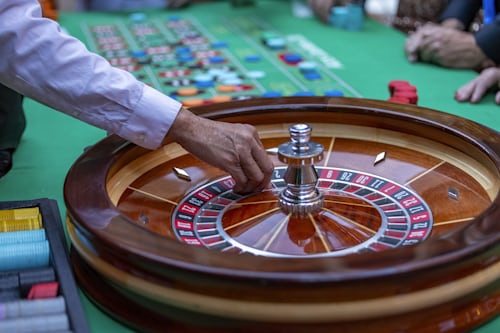
Furthermore, losses can evoke powerful emotional responses, pushing players to chase their losses in a desperate attempt to regain control. This phenomenon, known as loss aversion, demonstrates how the fear of losing can undermine sound judgment, leading gamblers to adopt strategies that increase their volatility and risk exposure. Understanding this emotional landscape is essential for developing effective gambling strategies.
Cognitive Biases Influencing Game Choices
Cognitive biases play a significant role in how players approach casino games. One common bias is the gambler’s fallacy, where individuals believe that past outcomes will influence future results. For example, after a series of losses, a player might think that a win is ‘due,’ leading to irrational betting behaviors that are not based on actual probabilities. These biases distort perceptions and can significantly affect decision-making processes.
In addition, confirmation bias can further complicate the strategies players adopt. Gamblers may focus on information that validates their chosen methods while ignoring contrary evidence. This selective attention can reinforce ineffective strategies, making it challenging to change one’s approach even when it proves unsuccessful. Recognizing and mitigating these biases is crucial for developing a more rational and effective gambling strategy.
The Impact of Environmental Factors
The setting in which gambling occurs can heavily influence player behavior. Casinos are designed with particular psychological tactics in mind, such as lighting, sounds, and layout. These elements create an environment that stimulates excitement and draws players deeper into the gaming experience. The sensory overload may lead to impulsive decisions and reduced self-control, often resulting in higher betting amounts than intended.
Additionally, social dynamics within a casino can affect individual strategies. Observing others’ successes can evoke feelings of competition, motivating players to take more significant risks. Conversely, witnessing another’s losses can instill fear, prompting more cautious gameplay. Understanding how these environmental factors impact decision-making is essential for gamblers who wish to refine their strategies and maintain control over their gambling behaviors.
Developing a Strategic Mindset
To develop a successful strategy in casino games, players must cultivate a disciplined mindset. This involves setting clear limits on time and money spent, making informed decisions based on logic rather than emotion. A well-thought-out approach encourages players to analyze their performance and adapt their strategies accordingly, rather than relying solely on chance or intuition.
Effective strategizing also includes understanding the rules of the games being played and utilizing mathematical principles such as probability and expected value. This analytical approach can help players make more informed decisions and minimize losses over time. As a result, establishing a strategic mindset is vital for those looking to navigate the complex world of casino gaming successfully.

Discover More at the Best Online Casino Canada
Join us to explore a wealth of information tailored to Canadian players. Our expert analysis, curated lists, and user-friendly resources aim to empower you to make informed gambling choices. Embrace a more strategic approach to gaming and elevate your casino experience with our guidance.